A calorie deficit means just one thing: you take in less energy than you use, and your body makes up the difference from its reserves. That's the whole science of weight loss in one sentence. Everything else sold around it is packaging: keto, detoxes, magic eating windows, fat burners. They only work when they quietly put you in a deficit, and they don't work when they don't.
The good news: you can get into a deficit without weighing ingredients or counting every mouthful.
Why counting calories doesn't last for most people
Counting works for exactly as long as you have the energy to count. The first lunch out with friends, a holiday or a tough week, and the spreadsheet falls apart, and with it the feeling that you've got this. The problem isn't you. The problem is that a system built on daily discipline collapses on precisely the day the discipline runs out.
The opposite approach: set up your environment so the deficit happens on its own. Meals with a proper portion of protein that fill you up. A plan that decides in advance, so hunger isn't making the call in the evening. Calories counted once when the meal plan is put together, not by you at every plate.
What a deficit looks like in practice
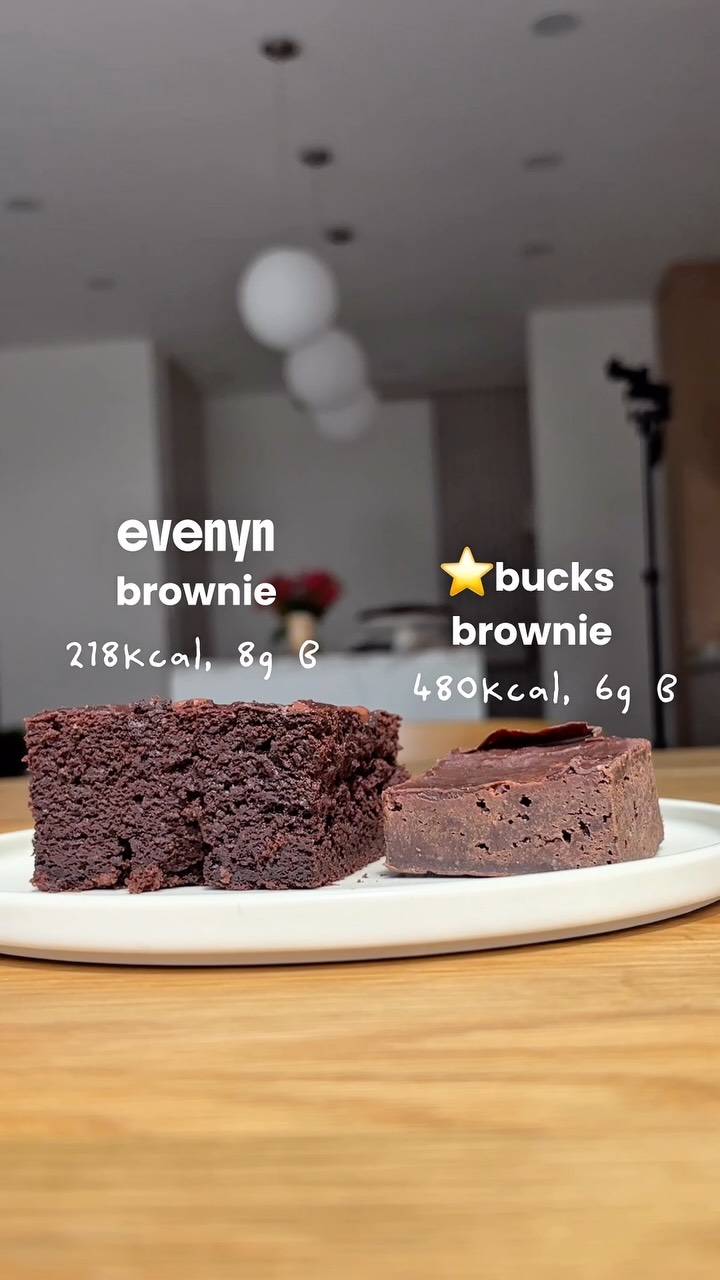
In the weight-loss meal plan, each whole day is put together at roughly 1,550 to 1,600 kcal with 100+ grams of protein. Nobody counts anything: the numbers are worked out in advance for every meal, and the deficit comes from simply eating according to the plan. Cheesecake included, because a meal plan you look forward to is the only one you'll stick with.
Protein is the quiet hero of a deficit, by the way: it's the most filling of all the nutrients. You'll find which foods have the most in our overview of high-protein foods.
The Thursday email that plans your next week
Every Thursday we'll send you a sample meal plan for the week ahead, one recipe under the microscope and a tip on which foods are on offer right now.
Three things that quietly cancel out a deficit
- Liquid calories. Sugary drinks, large coffees with syrup, alcohol. They don't fill you up and they can undo a whole day of effort.
- Weekends without a plan. Five days of system and two days of chaos is, mathematically, a draw. A plan makes sense for 7 days, which is why our weeks cover the weekend too.
- Too big a deficit. Drastic cuts end in ravenous hunger and the yo-yo effect. In this case, slower is faster. The same principle applies to portions during the day: one that's too big at once weighs on your stomach just as a deficit that's too big weighs on your mind; more on that in bloated stomach after eating.
Frequently asked questions
How big should a calorie deficit be?
The usual recommendation is a moderate deficit of around 300 to 500 kcal a day, which lets you live and eat normally. The exact number depends on your body, your activity and your goal; that's why the studio has different calorie groups rather than one number for everyone.
Will I lose weight without exercise?
Yes, a deficit is about intake and output, and intake is the stronger lever. But movement makes a deficit easier and benefits your body beyond weight loss too.
Why am I not losing weight even though I eat very little?
Most often because "very little" only happens on weekdays or only on the plate, and liquid calories and weekends even out the difference. It helps to look at the whole week, not a single day.
Is a calorie deficit healthy?
A moderate deficit is a common tool. Extreme cutting over the long term isn't.
Get time and taste back in your week
You get your meal plan, recipes and shopping list ready-made. All that's left for you is the cooking.
Try Evenyn free for 3 days